Fertilizers are essential for the growth of plants and crops. They provide nutrients that are necessary for plant development and help to increase crop yield and quality. In modern agriculture, fertilizers are an important tool for feeding a growing population and ensuring food security around the world.
Most fertilizers used in agriculture contain nitrogen, phosphorus, and potassium, which are known as the primary macronutrients that plants require in relatively large amounts. Nitrogen is necessary for the formation of chlorophyll, which is essential for photosynthesis, the process by which plants convert light energy into chemical energy. Phosphorus is necessary for the formation of strong roots, stems, and flowers, as well as for energy transfer within the plant. Potassium helps to regulate water balance, enhances disease resistance, and improves stress tolerance in plants.
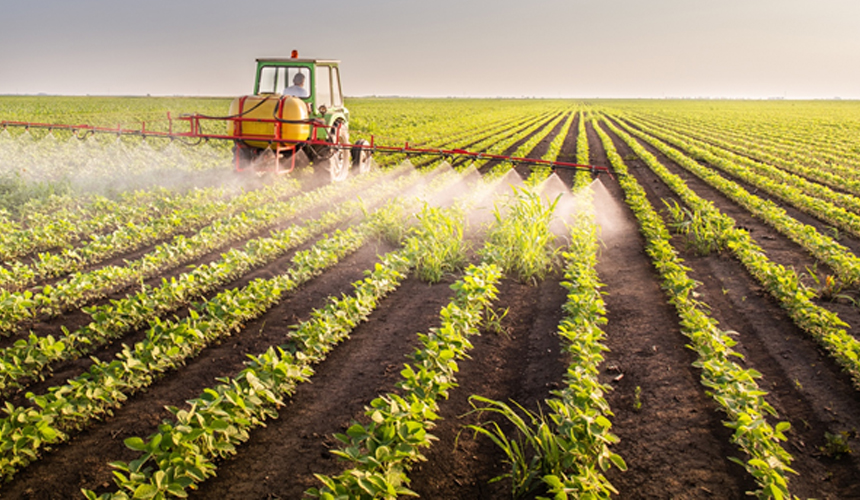
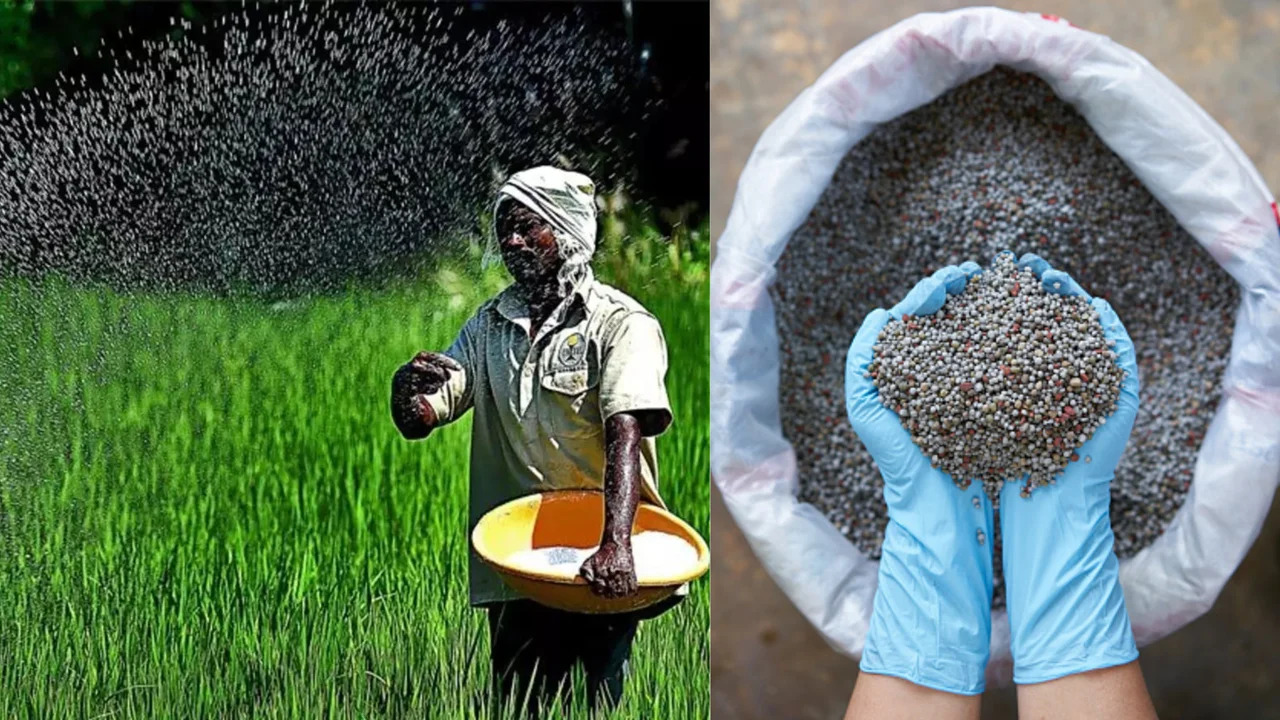
Fertilizers can be applied in various forms, including granular, liquid, and foliar. Granular fertilizers are commonly applied directly to the soil, while liquid and foliar fertilizers are typically applied as a spray onto the plant leaves. The type of fertilizer and application method used will depend on the crop, soil type, and nutrient requirements.
In addition to providing essential nutrients to plants, fertilizers can also have other benefits. They can help to improve soil structure and increase water-holding capacity, which can lead to better crop yields. Fertilizers can also help to reduce the risk of nutrient deficiencies and improve plant health, which can lead to a reduced need for pesticides and other chemical treatments.
However, the overuse or misuse of fertilizers can have negative environmental consequences, such as water pollution and soil degradation. It is important to use fertilizers responsibly and to follow best practices for their application, such as soil testing, nutrient management planning, and proper timing and placement.
Overall, fertilizers play a crucial role in modern agriculture and are essential for feeding a growing population. By supplying essential nutrients to plants and improving soil health, fertilizers help to increase crop yield and quality, while reducing the environmental impact of agriculture. As we continue to face global challenges such as climate change and population growth, the responsible use of fertilizers will become increasingly important in ensuring food security and sustainable agriculture for future generations.