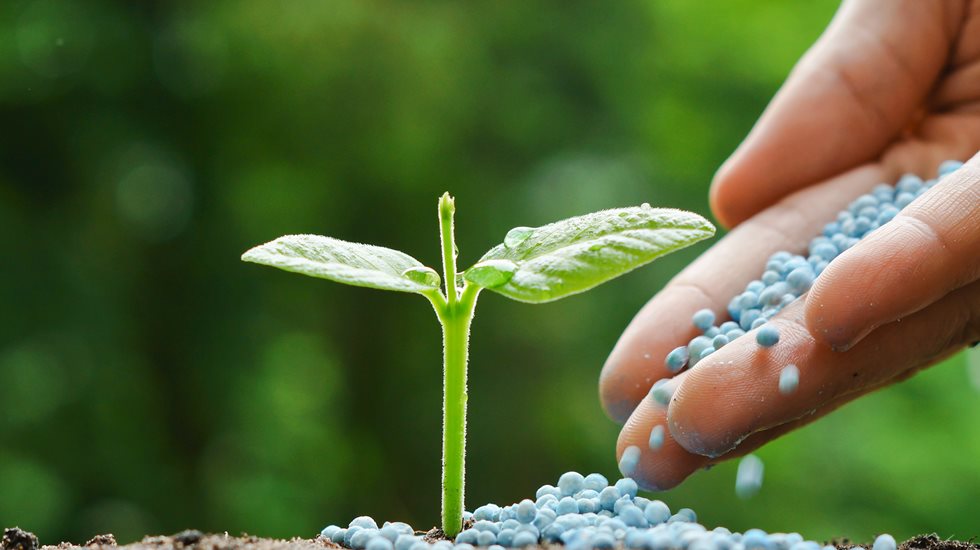
Fertilizers have revolutionized agriculture by providing essential nutrients to crops, leading to increased productivity and food security. However, the use of fertilizers also presents significant challenges that must be addressed to ensure sustainable food production and protect the environment.
One of the main challenges facing the world with fertilizer is the overuse and misuse of fertilizers. Excessive application can lead to nutrient pollution, negatively impacting water quality and contributing to harmful algal blooms. In addition, the use of fertilizers can contribute to greenhouse gas emissions, such as nitrous oxide, which can have significant impacts on the environment and climate change.
Another challenge is the uneven distribution of fertilizers around the world. While some regions of the world have excess fertilizer use, others suffer from low nutrient availability due to limited access to fertilizers. This creates an imbalance in agricultural productivity, leading to unequal access to food and economic opportunities.
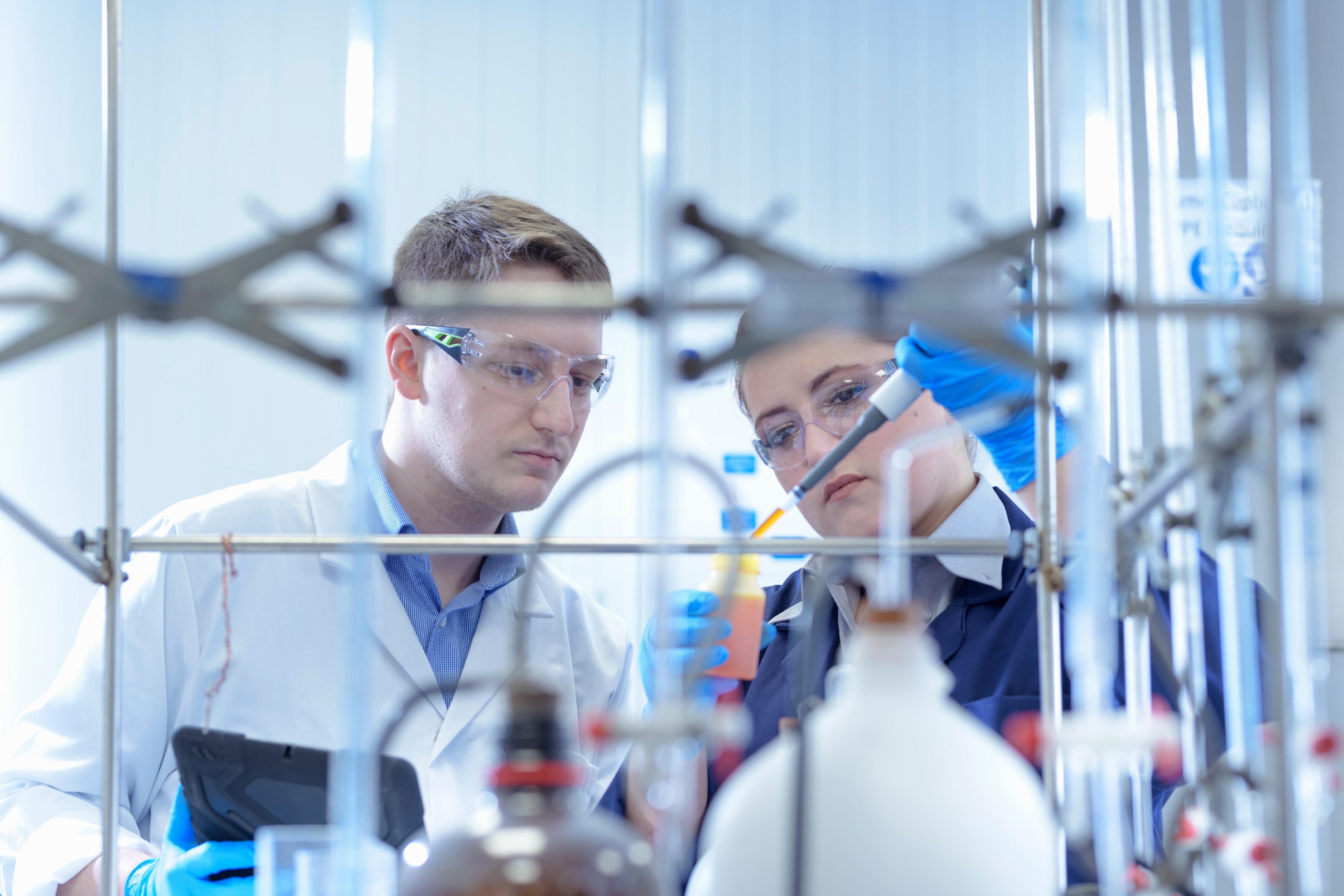
Additionally, the production of fertilizers can also have negative environmental impacts. The manufacturing process of fertilizers often requires large amounts of energy and water, and can result in air and water pollution. The mining of the raw materials used in fertilizers, such as phosphate rock, can also have significant environmental impacts, including habitat destruction and water pollution.
To address these challenges, there is a need for more sustainable and responsible use of fertilizers. This includes adopting precision agriculture practices that enable farmers to apply fertilizers more precisely and efficiently, reducing the overall amount used. Other practices such as crop rotation, cover cropping, and the use of organic fertilizers can also reduce the need for synthetic fertilizers.
Improving access to fertilizers for smallholder farmers in developing countries is also critical for achieving sustainable food production and reducing poverty. This can be achieved through the development of distribution networks, market-based solutions, and innovative financing models that make fertilizers more affordable and accessible.
In conclusion, while fertilizers have played a crucial role in improving agricultural productivity and food security, their use also presents significant challenges. Addressing these challenges requires a commitment to sustainable and responsible use of fertilizers, adopting precision agriculture practices, and improving access to fertilizers for smallholder farmers. By doing so, we can achieve sustainable food production while protecting the environment and ensuring a more equitable distribution of resources.